
How Japanese long‑term investors viewed this week’s markets
This week was marked by rising geopolitical tensions, a sharp jump in oil prices, and weaker‑than‑expected U.S. jobs data.
Global equities moved lower as concerns about stagflation — slowing growth and rising prices — intensified.
Japan Equities: Energy Costs, Geopolitical Risks, and How Japanese Retail Investors Interpreted the Decline
Japanese equities fell throughout the week as rising oil prices and geopolitical tensions weighed heavily on an energy‑importing economy like Japan.
But what stood out most was how Japanese individual investors interpreted the decline — often differently from institutional flows.
Here are the key themes from the retail‑investor perspective:
1. “Oil is our Achilles’ heel” — Energy sensitivity is always top of mind
For many Japanese investors, higher oil prices immediately translate into:
- higher import costs
- weaker corporate margins
- pressure on household spending
This week’s sharp rise in crude reminded them how vulnerable Japan is to external shocks.
It reinforced a long‑held mindset: “Japan benefits from global stability more than most countries.”
2. “The index moves, but my stocks don’t” — Nikkei’s structure frustrates many
Retail investors repeatedly pointed out that:
- a handful of mega‑caps (SoftBank Group, Advantest, Tokyo Electron)
- disproportionately drive the Nikkei’s movement
So even when the index drops sharply, their own portfolios may barely move.
This structural mismatch is a constant source of confusion for overseas investors,
but for Japanese individuals it’s simply part of the landscape.
3. “I won’t chase the noise” — A surprisingly calm long‑term stance
Despite the geopolitical headlines, many Japanese long‑term investors stayed composed.
Common comments included:
- “I’ll keep accumulating through NISA.”
- “Short‑term volatility is normal.”
- “Energy shocks come and go.”
The new NISA program has strengthened the habit of steady monthly investing,
making retail flows more stable than in past cycles.
4. “Cash is a position” — A Buffett‑inspired mindset gaining traction
Berkshire Hathaway’s annual report resonated strongly in Japan this week.
Many investors echoed the idea of:
- holding cash for future opportunities
- focusing on companies they can “hold forever”
- avoiding emotional trading during geopolitical stress
This mindset helped keep panic selling limited among individuals.
✨ Summary of the Japanese retail‑investor angle
For overseas readers, the key takeaway is this:
Japanese individual investors tend to be cautious, patient, and highly aware of energy‑price risks — but they rarely panic.
The new NISA system has made their long‑term behavior even more stable.
U.S. Markets: Oil Surge and Weak Jobs Data Pushed Stocks Lower
The S&P 500 declined as:
- U.S. jobs data deteriorated sharply
- The effective closure of the Strait of Hormuz sent oil prices higher
- Inflation concerns resurfaced
- Expectations for rate cuts weakened
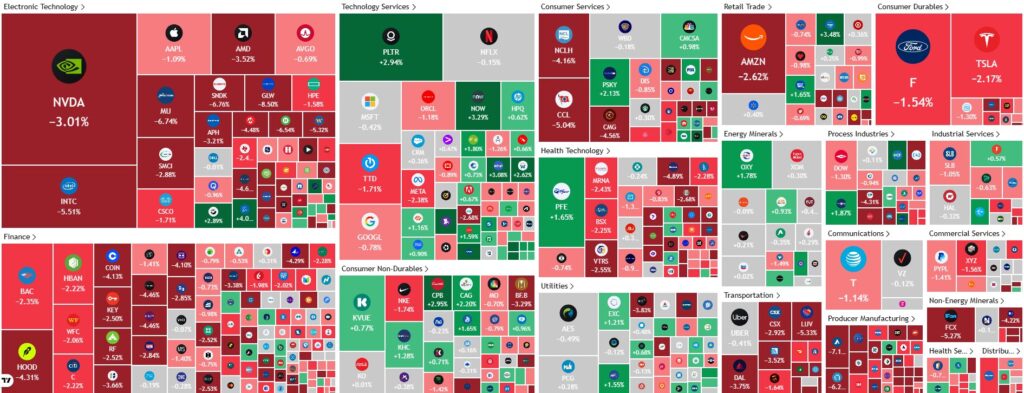
https://jp.tradingview.com/heatmap/stock/
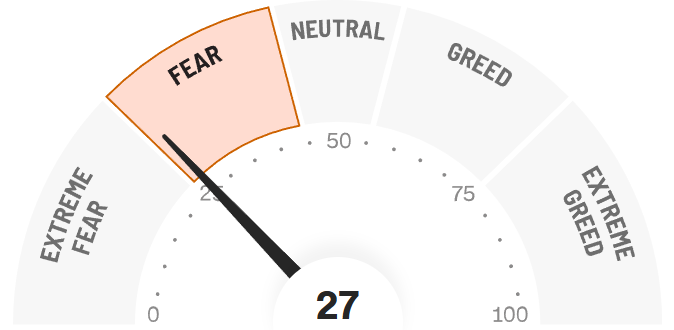
Investors shifted toward risk‑off positioning throughout the week as Fear & Greed shows.
https://edition.cnn.com/markets/fear-and-greed
💱 FX: Safe‑Haven Dollar Buying, Yen Weakened
Currency markets showed a clear pattern:
- USD and AUD strengthened
- JPY, EUR, and CHF weakened
- GBP remained relatively firm due to its quasi‑resource‑currency profile
Energy‑resilient currencies outperformed, while energy‑dependent ones lagged.
🧭 Long‑Term View: Stay Disciplined
Despite the volatility, the long‑term principle remains unchanged:
Stay invested. Keep building. Maintain discipline.
For many Japanese investors in their 50s,
steady accumulation and avoiding concentrated bets remain the foundation of financial stability.
コメント