
This week, U.S. markets continued to show strength, especially in the tech sector. However, a sharp drop in Microsoft (MSFT) and the nomination of the hawkish Warsh as the next Fed Chair cast a shadow over the rally.
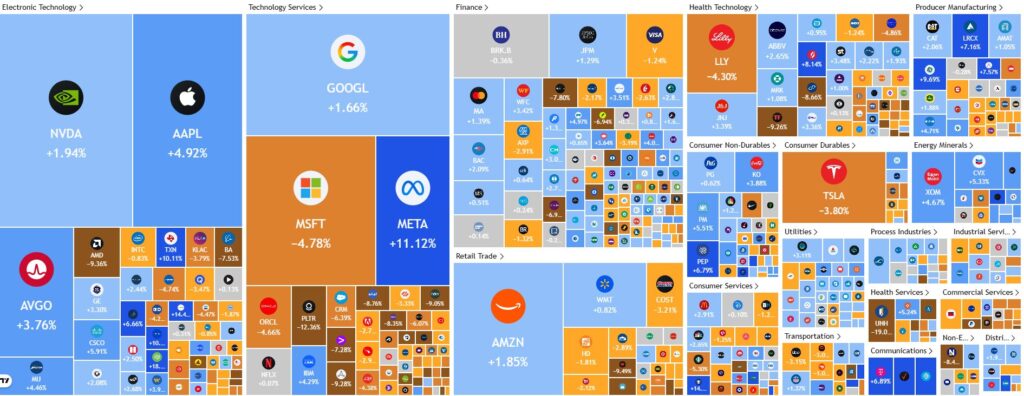
Looking at the S&P 500 heat map, semiconductors and AI-related stocks stood out with strong gains, but MSFT’s red patch seemed to dampen the overall mood.
https://www.tradingview.com/heatmap/stock/
U.S. Stocks: Tech Strength Meets MSFT Drag
- The S&P 500 hit new all-time highs, with futures briefly crossing the 7000 mark.
- Semiconductor giants like NVIDIA led the charge, buoyed by strong economic data and AI optimism.
- However, Microsoft’s sharp decline, despite solid earnings, stood out.
- The market reacted negatively to what it perceived as overinvestment in data centers and AI.
It reminded the challenges of picking individual stocks—and the appeal of index investing.
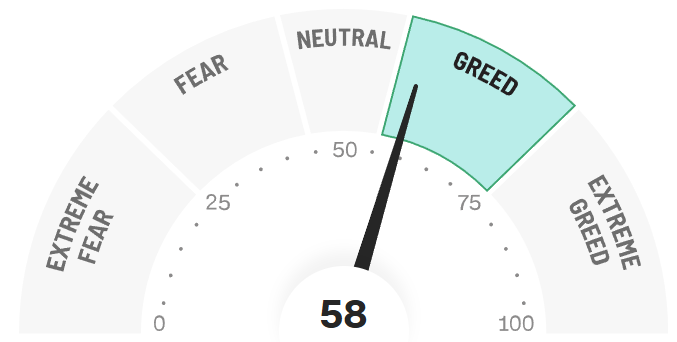
Investor sentiment remains bullish, as reflected in the VIX and Fear & Greed Index, both leaning toward “greed.” Despite some turbulence, the broader market trend remains upward.
Fear and Greed Index – Investor Sentiment | CNN
Forex: Yen Surge on Rate Check, Reversal on Hawkish Fed Pick
The USD/JPY pair saw significant volatility this week:
- A rate check by U.S. and Japanese authorities triggered a sharp yen rally.
- However, the nomination of Kevin Warsh, known for his hawkish stance, as the next Fed Chair, reversed the trend, pushing the dollar higher again.
Japan’s Ministry of Finance denied direct intervention, suggesting the yen’s move may have been driven by verbal intervention alone.
Even if intervention had occurred, strong dollar demand via NISA-driven overseas investments would may quickly reverse the yen’s gains.
The tug-of-war between policy signals and capital flows continues to shape the currency landscape.
Nikkei: Moving in Sync with Forex Swings
The Nikkei 225 mirrored the yen’s movements this week—dipping during the yen’s surge and recovering as the dollar regained strength.
While U.S. market strength provided support, forex volatility kept the index on a bumpy ride.
Japanese Sentiment: Cautious Optimism
Recent survey data shared on X revealed:
- 34.6% of respondents said they “don’t invest.”
- Cautious investors (36.2%) still outnumber proactive ones (29.2%).
- 36.0% know about the new NISA but haven’t used it, while 22.1% are unaware of it.
While interest in investing is growing, many remain on the sidelines.
Still, in wealth-building, the key differentiator is often whether you act within your own risk tolerance.
By understanding global investor behavior, Japanese investors may find the confidence to take that first step.
In Summary: A Week of Mixed Signals and Valuable Lessons
This week brought:
- A strong U.S. market, tempered by MSFT’s stumble
- Currency volatility driven by policy signals and capital flows
- A reminder that Japan’s NISA investors are part of a broader, global shift toward smarter investing
As we head into a week of major earnings reports, staying the course—especially for index investors—remains a wise strategy.


コメント